📋 Quick Navigation (Table of Contents)
🥗 Recipe Ingredients
- 2 cups fresh primary ingredients (washed and sliced)
- 2 tbsp extra virgin olive oil or butter
- 3 cloves fresh garlic, finely minced
- 1 tbsp fresh lemon juice or vinegar
- 1/2 tsp sea salt and freshly cracked black pepper
- Fresh herbs for garnish (parsley, chives, or basil)
Why do you smash cucumbers in a salad?
Why do you smash cucumbers in a salad? You smash cucumbers because fracturing their cellular walls creates jagged cracks that maximize dressing absorption, alter the texture, and release excess moisture.
When you prepare traditional summer dishes, you might wonder why home cooks and professional chefs vigorously beat their produce. When I first tried this technique, I noticed an immediate difference in how intensely the garlic and vinegar clung to every single piece. Instead of sliding off a slick, uniform slice, the pungent dressing trapped itself inside the rough crevices.
This simple physical action transforms an ordinary side dish into a flavor powerhouse. If you want to dive deeper into maximizing textures, you can also learn how do you keep a chopped salad from getting soggy to elevate your meal prep routine.
The Culinary Science Behind Crushing Produce
Understanding the physics of food prep changes everything. Cucumbers consist largely of water held inside rigid cellular structures. When you slice them cleanly with a sharp knife, you preserve most of those walls. When you strike them with a rolling pin or the flat side of a cleaver, you rupture those cells. You can also explore our Why do you smash cucumbers in a salad? 5 reasons to try this culinary technique.
This mechanical stress does two primary things:
- It creates irregular, jagged fractures that act like natural sponges.
- It releases trapped internal moisture so your seasonings do not get diluted.
According to culinary experts at Serious Eats, bruising vegetables fundamentally alters their surface area, allowing fat-soluble and water-soluble compounds to penetrate deeply rather than sitting on the outside.
Why do you smash cucumbers in a salad for better texture and taste?
Texture plays a massive role in sensory satisfaction. Sliced vegetables often feel watery and uniformly crunchy. Smashed chunks offer a delightful contrast. The edges become soft and tender, while the core retains a satisfying snap.
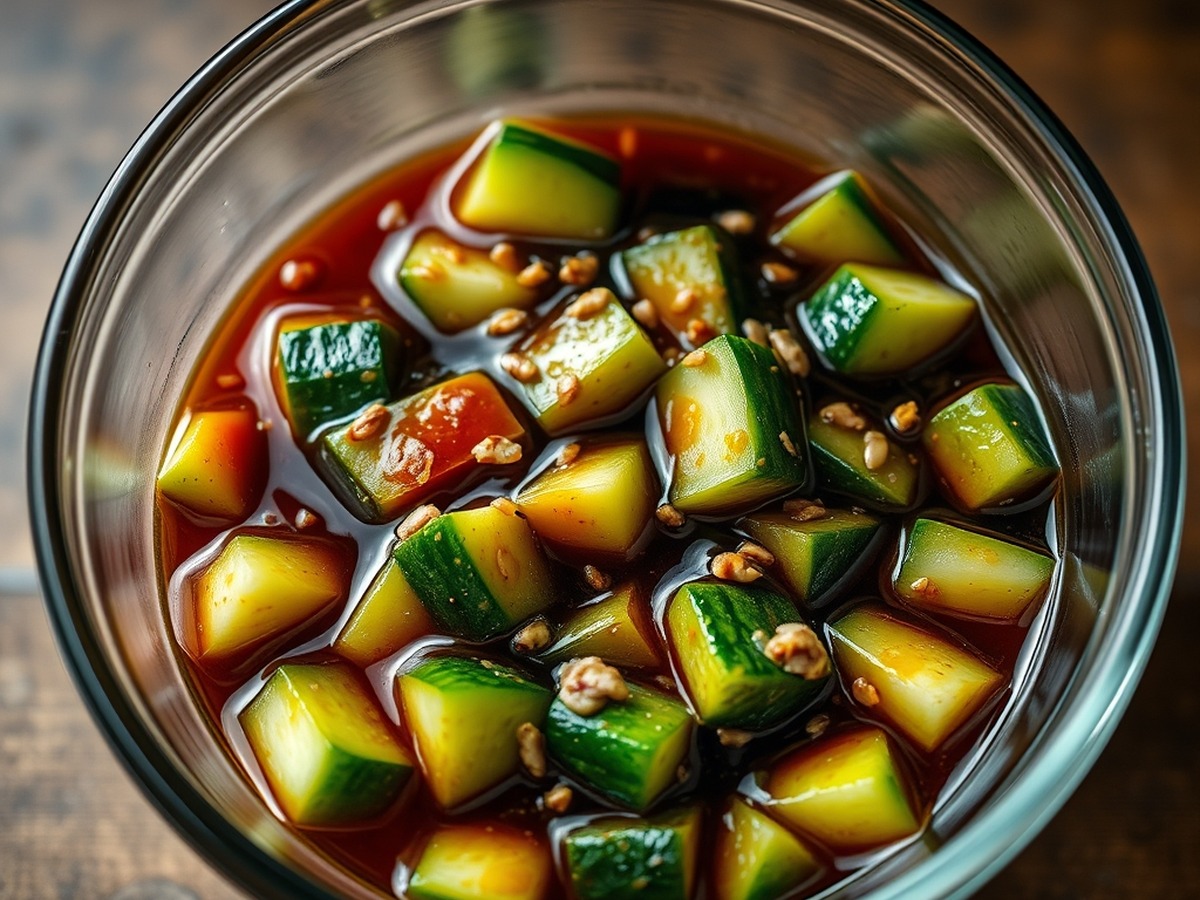
Furthermore, salt added to bruised vegetables draws out bitter surface water faster through osmosis. Once you drain that initial liquid, the open pores readily accept potent marinades made of sesame oil, rice vinegar, and chili crisp. This mimics the flavor profiles found in many popular smacked cucumber variations.
Step-by-Step Method for Best Results
Applying this technique takes less than two minutes. You do not need fancy gadgets. Follow these steps to master the process: This pairs perfectly with our Why do you smash cucumbers in a salad? 5 reasons for better flavor.
1. Prep and Trim
Start with crisp English or Persian cucumbers. Rinse them thoroughly and slice off the stem ends. Cutting them into manageable four-inch segments helps control the impact.
2. Apply Force
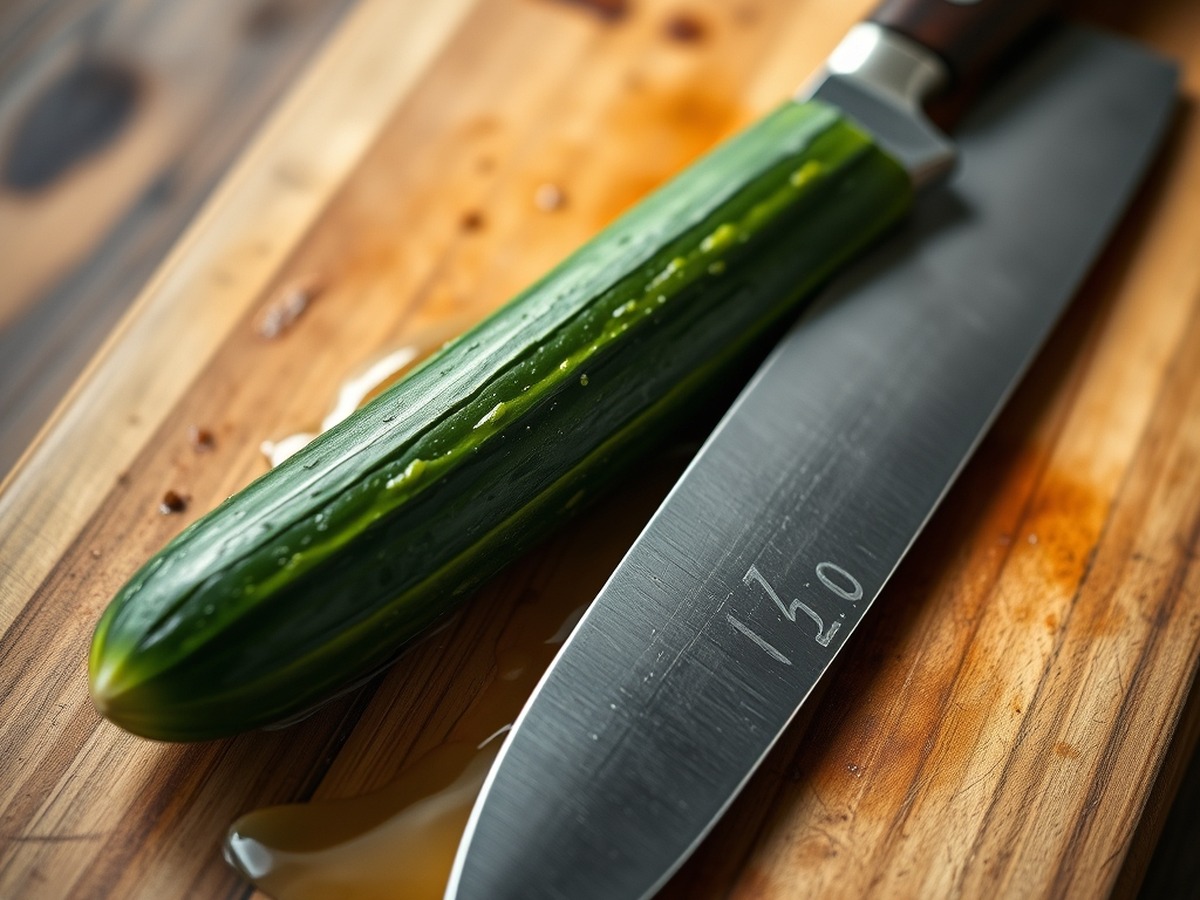
Place the segments on a sturdy cutting board. Lay the flat blade of a heavy chef’s knife or a rolling pin over the top. Strike the tool firmly with the heel of your hand or a mallet until you hear the flesh split open.
3. Tear and Season
Pull the fractured pieces apart by hand into bite-sized chunks rather than cutting them. Toss them with salt, let them drain for ten minutes, and dress them immediately.
Whether you are pairing your dish with rich party appetizers like those found in guides on what is elote dip made of or enjoying a light lunch, this technique guarantees maximum flavor payoff.
📖 You might also love these Why recipes:
🌍 Discover More From Our Network
- → For a similar technique, check out our Why do you smash cucumbers in a salad? 5 reasons for better flavor
- → Complement this dish with our Why do you smash cucumbers in a salad? 5 reasons to try this culinary technique
- → For another crowd-favorite, see our Why do you smash cucumbers in a salad? The Secret to Better Flavor