How do you fold rice paper without tearing it?
How do you fold rice paper without tearing it? To prevent tearing, submerge the rice paper in warm water for just 2 to 4 seconds until it is still slightly firm, and finish softening it on a damp work surface. This prevents over-saturation and gives you the perfect pliable texture needed for rolling.
Have you ever asked yourself, how do you fold rice paper without tearing it? Working with delicate wrappers can test your patience. Many home cooks struggle with soggy sheets or rips. If you master the hydration step, your culinary projects will succeed. Rice paper is a staple in Southeast Asian cuisine. It creates wonderful wrappers for fresh spring rolls, dumplings, and appetizers. Understanding the science of starch hydration is essential. Let us explore the exact methods used by professional chefs.
Understanding Rice Paper Properties
Rice paper consists of rice flour, water, and salt. Manufacturers dry these thin sheets on bamboo mats. Because they are dehydrated, they require water to become flexible. However, they absorb moisture extremely fast. If you soak them too long, they turn gummy and tear instantly. If you soak them too little, they remain brittle and snap in half. Finding the sweet spot takes practice. Warm water speeds up the softening process. Cold water takes too long and yields inconsistent results. Always use lukewarm water for the best outcome.
Step-by-Step Guide on How Do You Fold Rice Paper Without Tearing It
Mastering this technique requires attention to detail. Follow these simple steps to ensure your wrappers stay intact. You will achieve restaurant-quality results every time.
1. Prepare Your Hydration Station
Fill a wide, shallow bowl or a specialized rice paper water basin with lukewarm water. The water should feel comfortable to the touch. Set up your clean work surface right next to the bowl. Many home cooks prefer using a damp cutting board or a clean damp kitchen towel. A damp surface prevents the sticky rice paper from grabbing and ripping.
2. Quick Dip Technique
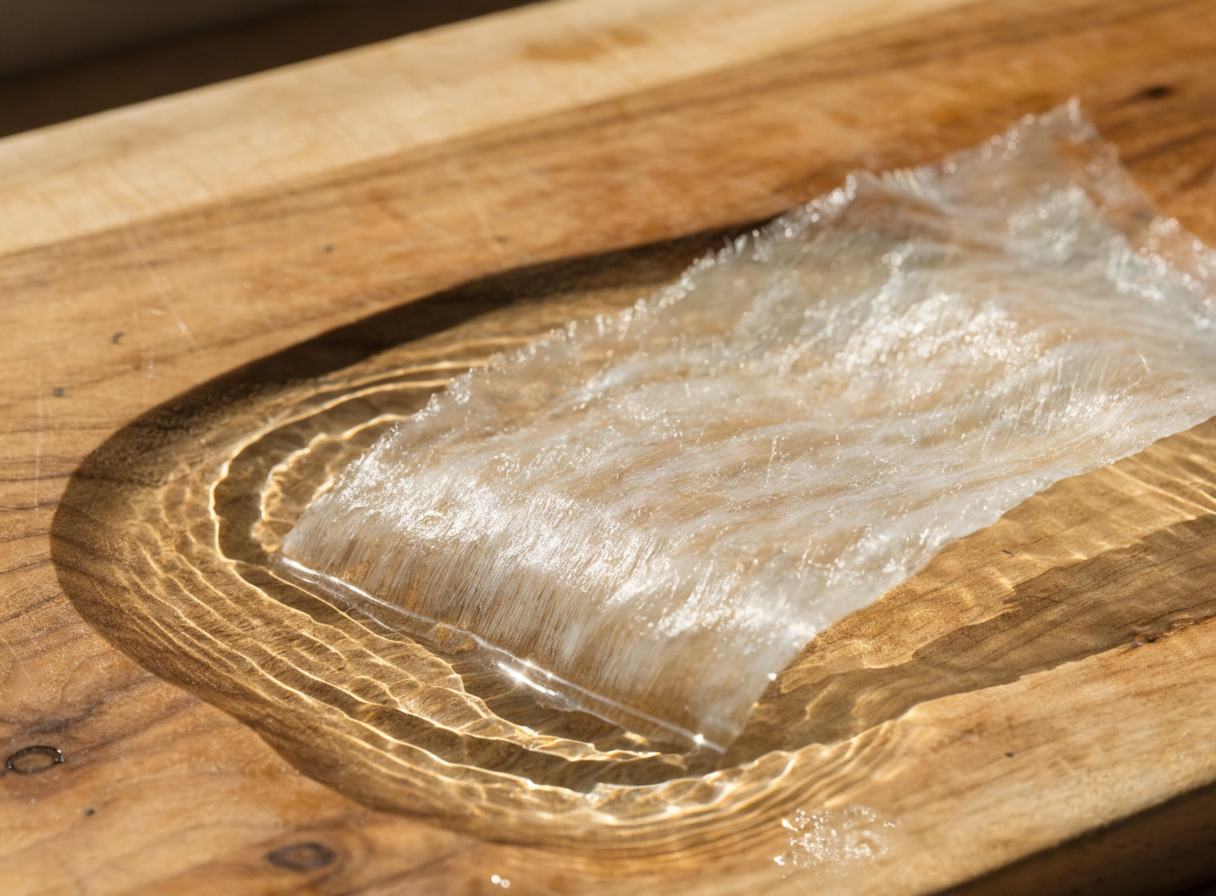
Take one sheet of dried rice paper. Submerge it completely in the warm water. Count slowly to three. Remove the sheet immediately. Do not wait for it to become floppy in the water. It should still feel slightly firm when you pull it out. The residual moisture will continue to soften the sheet on your board.
3. The Pliable Rest Period
Lay the damp sheet flat on your prepared damp surface. Within five to ten seconds, the starch will absorb the remaining water. The wrapper will transform into a soft, pliable, and slightly sticky sheet. This is the exact moment to add your fillings. If you want to expand your culinary repertoire, you can pair your rolls with delicious sides or learn how to make crispy rice paper dumplings for a fun texture contrast.
4. Proper Loading and Layering
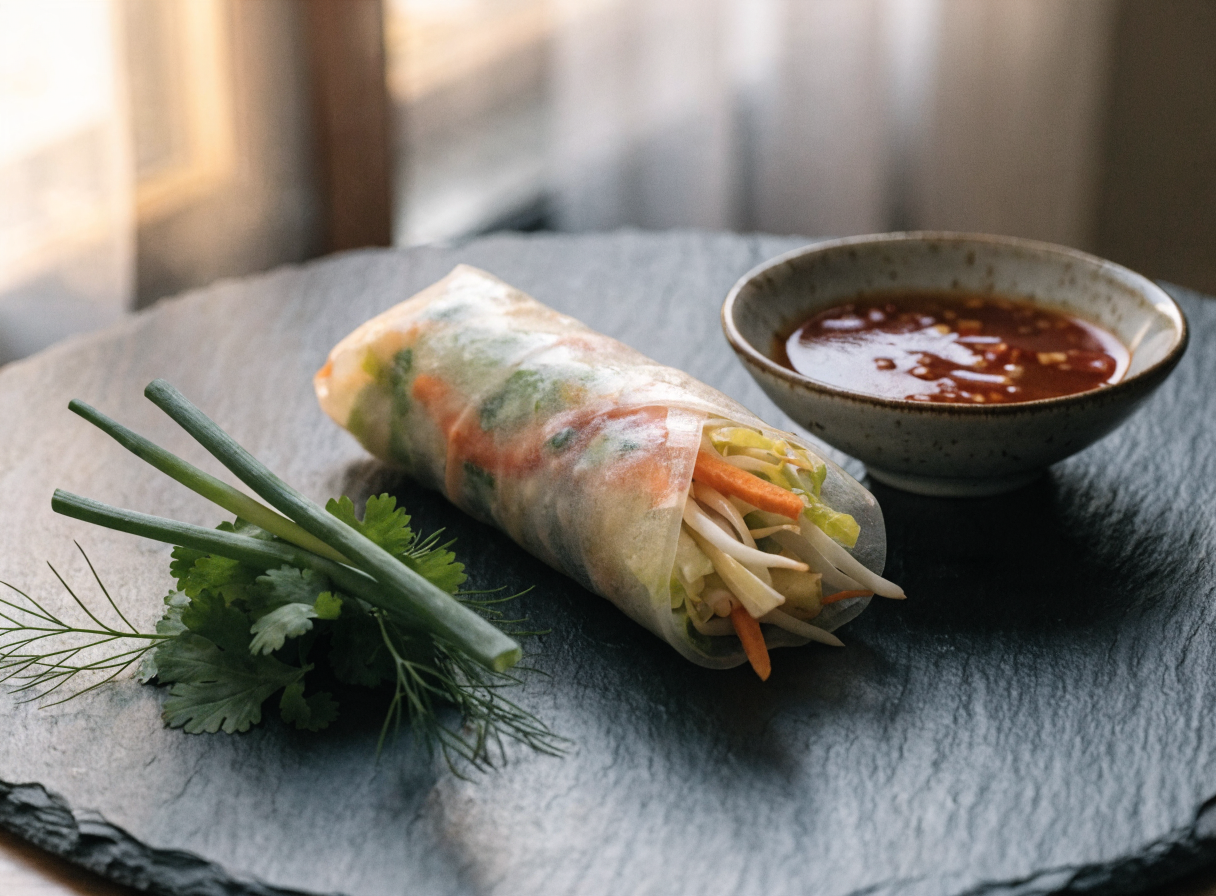
Do not overload your wrapper. Place your ingredients slightly below the center of the sheet. Use crisp lettuce, vermicelli noodles, and colorful herbs. Avoid sharp ingredients that could puncture the delicate skin. For more creative meal ideas, you might also enjoy learning how do you keep rice paper dumpings from sticking when pan-frying them.
Advanced Folding and Rolling Techniques
Once your ingredients are in place, the folding process begins. Technique matters just as much as hydration here. A snug roll prevents air pockets and tears.
- Fold the bottom edge of the rice paper up and over your fillings.
- Pull the filling slightly back toward you to create a tight cylinder.
- Fold the left and right sides inward, much like folding an envelope.
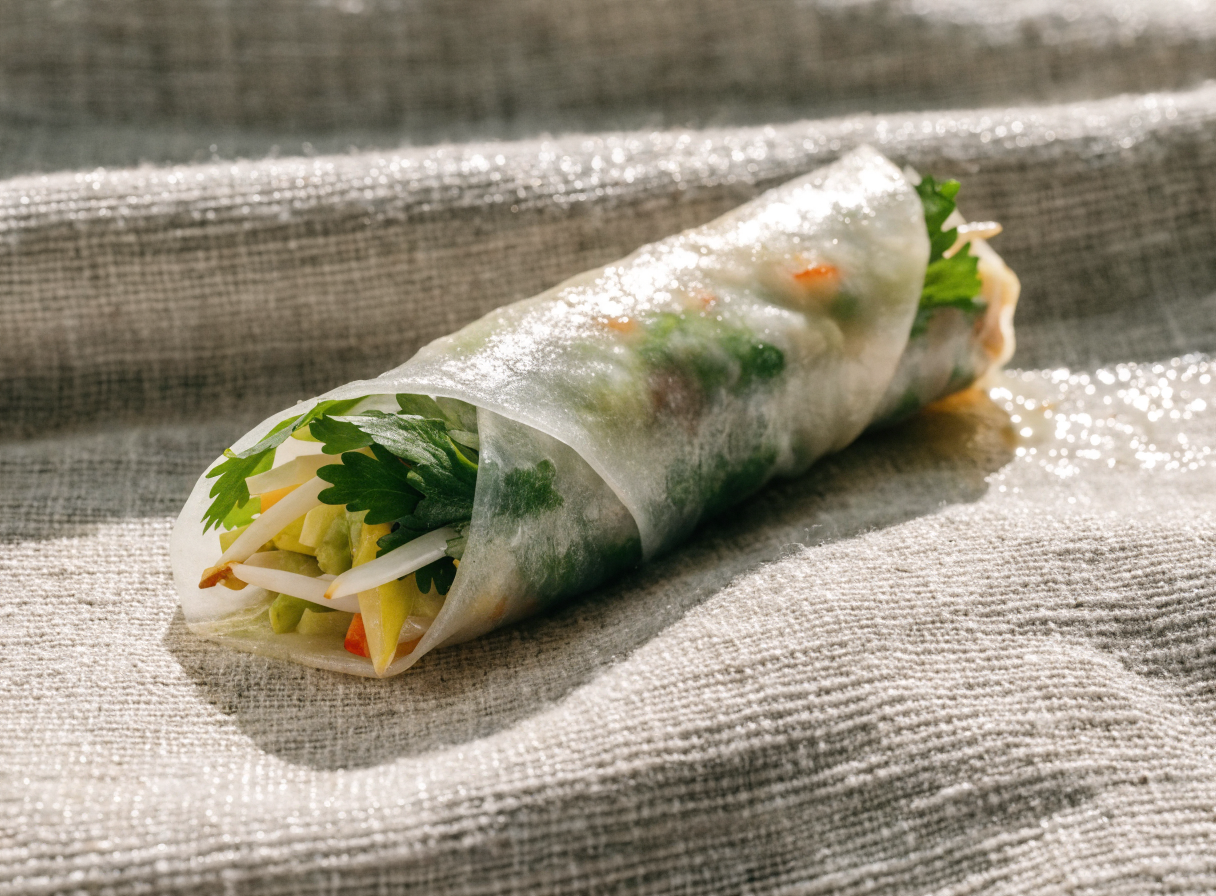
- Continue rolling the cylinder forward until it is completely sealed.
- Press the final edge gently to secure the seam.
If you love experimenting with international flavors, you can also explore broader culinary techniques such as learning how to make paella without a traditional pan for your next dinner party.
Troubleshooting Common Rice Paper Mistakes
Even experienced cooks encounter issues occasionally. Here is how to fix them quickly.
The Wrapper is Too Sticky
If your wrapper sticks to your fingers or the board, your surface might be too dry. Always keep your work surface lightly dampened. You can also coat your fingertips with a drop of water or neutral oil to manage the stickiness.
The Wrapper Keeps Ripping
Rips usually happen because the water was too hot or the sheet soaked too long. Reduce your soak time to just two seconds. Let the residual air finish the softening process on the cutting board. For official culinary standards and food science insights, you can read more at Serious Eats.
Conclusion
Answering how do you fold rice paper without tearing it comes down to controlling moisture. By using lukewarm water, a quick dip, and a damp work surface, you eliminate frustration. Practice these steps to create beautiful, restaurant-quality rolls every single time.