Traditional paella comes from the vibrant region of Valencia in eastern Spain. Authentic Spanish chefs rely on a specialized shallow carbon steel pan known as a paellera. However, if you love Spanish cooking, you might wonder, can I make paella without a paella pan? The short answer is a resounding yes. You do not need specialty cookware to cook a delicious, aromatic Spanish rice feast at home.
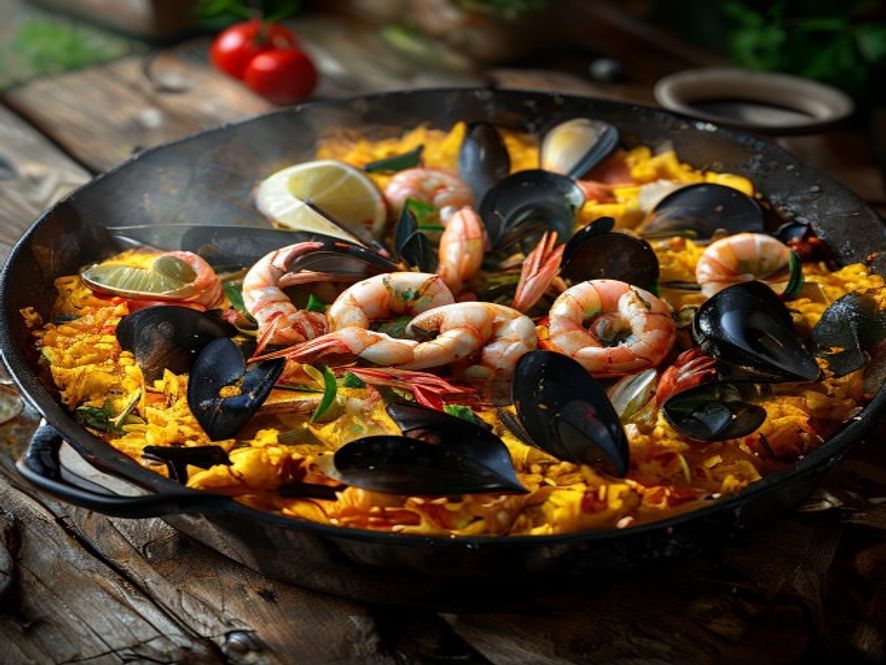
Can I make paella without a paella pan? Yes, you can easily prepare authentic-tasting paella using a large cast-iron skillet, a wide stainless steel pan, or a heavy braiser. As long as your alternative pan allows thin rice distribution and even heat evaporation, you will achieve incredible flavor and a crispy socarrat bottom crust.
Can I Make Paella Without a Paella Pan using Regular Skillets?
Many home cooks ask, can I make paella without a paella pan? when planning a weekend dinner without special tools. Understanding pan geometry helps you choose the right everyday skillet from your kitchen cabinet.
Traditional paella pans feature flat bottoms with wide, shallow sloping sides. This unique shape promotes rapid liquid evaporation. Furthermore, it spreads the short-grain rice into a thin, even layer. If your substitute pan reproduces these conditions, your dish will succeed.
1. The Heavy Cast-Iron Skillet
A 12-inch or 14-inch cast-iron skillet serves as the absolute best substitute. Cast iron holds heat exceptionally well across its entire surface. Consequently, it creates an even cooking environment for short-grain rice. The thick metal prevents dark hot spots that burn rice prematurely. You can easily sear proteins first, just like making pan-seared tomato basil salmon, before adding your rice and broths.
2. Large Stainless Steel Chef’s Pan or Fry Pan
A wide stainless steel skillet with a flat bottom works wonderfully. Choose a pan that measures at least 12 inches across. Stainless steel offers fast responsiveness to temperature changes. Therefore, you can lower heat quickly when the stock simmers down. Always ensure your stainless steel cookware features a thick tri-ply base for maximum heat distribution.
3. Enameled Dutch Oven or Wide Shallow Braiser
An enameled cast-iron braiser is another magnificent option. Braisers possess wide floor areas and low sloping walls. While deep soup pots trap steam, shallow braisers allow steam to escape efficiently. As a result, your rice grains stay firm and separate rather than becoming mushy.
The Science of Paella: Why the Pan Matters
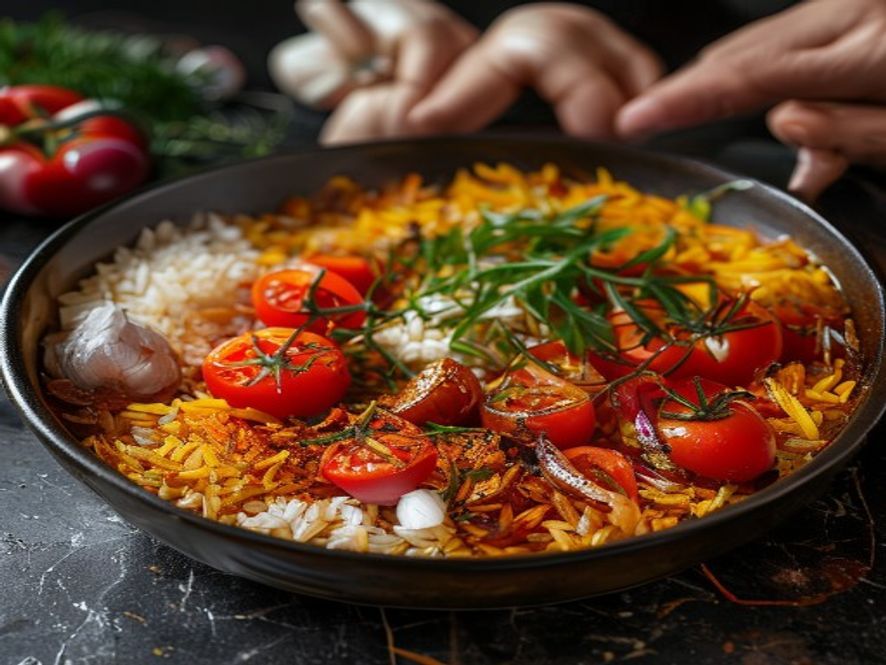
To understand why pan choice matters, you must study how paella cooks. Spanish rice dishes differ fundamentally from creamy Italian risottos or steamed white rice. You never stir paella after adding the simmering broth.
Stirring releases starches and creates a creamy texture. Paella requires distinct, dry, flavor-packed rice grains. When you ask, can I make paella without a paella pan?, you must focus on surface area. A shallow pan allows broth to evaporate at a predictable rate. Consequently, the rice absorbs rich stock while remaining perfectly firm to the bite.
According to the official official Spain tourism guide, traditional Valencian paella relies on open flames and wide surface exposure. Replicating this wide layout on a home stovetop is the primary key to culinary success.
How Can I Make Paella Without a Paella Pan and Still Get Socarrat?
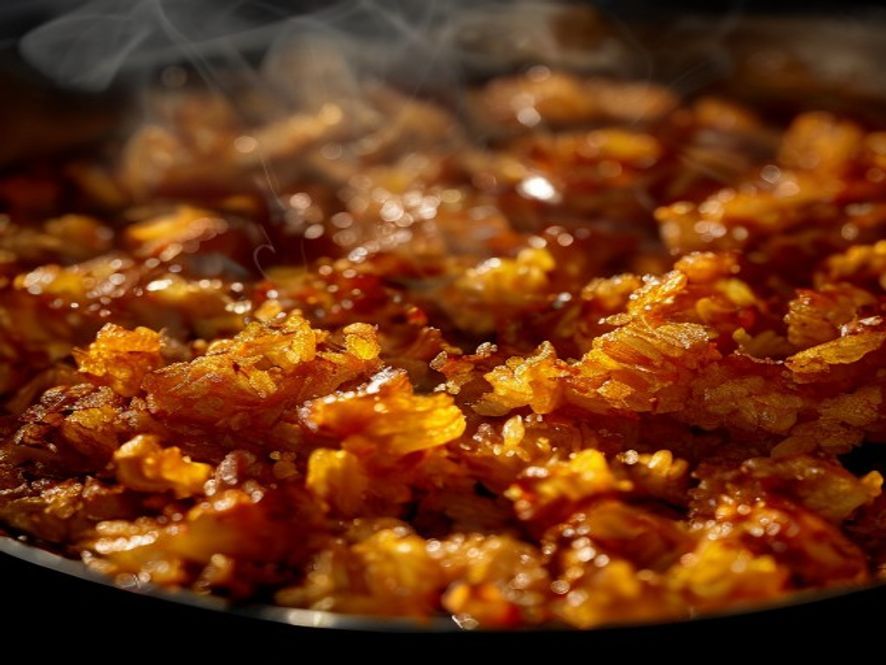
The hallmark of great paella is the socarrat. Socarrat refers to the toasted, crispy layer of caramelized rice at the bottom of the pan. Many beginners wonder, how can I make paella without a paella pan and still get socarrat? Achieving this delicious crust requires precise heat management during the final minutes of cooking.
Step 1: Choose the Right Rice Variety
Always use authentic short-grain Spanish rice such as Bomba, Senia, or Calasparra. Spanish rice absorbs three times its volume in broth without breaking down. Do not substitute long-grain Jasmine or Basmati rice. If you cannot find Bomba rice, Arborio rice acts as an acceptable alternative.
Step 2: Do Not Stir the Rice
Once you distribute the rice evenly across your skillet, put your spoon away. Stirring destroys the fragile starch structure. Furthermore, stirring prevents the bottom layer from settling and crusting properly against the hot metal base.
Step 3: Listen for the Crackle
After the rice absorbs all liquid, increase the heat to medium-high for 1 to 2 minutes. Listen carefully to your pan. You will hear a distinct crackling and popping sound. This sound signals that residual oils are frying the bottom layer of rice. Smell the pan closely. You want a sweet, nutty, toasted aroma, not a harsh burnt smell.
Step 4: Rest Before Serving
Remove the pan from the heat burner immediately. Cover the skillet tightly with a clean kitchen towel or foil. Let the paella rest undisturbed for 5 to 10 minutes. Resting allows moisture to redistribute evenly. Furthermore, it helps the crispy socarrat release easily from the metal floor.
Comparing Cookware for Paella Making
When asking **can I make paella without a paella pan?**, evaluating your household options helps you pick the right tool:
- Cast Iron Skillet: Excellent heat retention; creates superior socarrat; slightly heavier to maneuver.
- Stainless Steel Skillet: Easy to clean; rapid heat adjustments; requires a thick bottom plate.
- Enameled Braiser: Excellent liquid evaporation; non-reactive surface; ideal for acidic tomato bases.
- Electric Skillet: Maintains consistent heat setting; spacious flat surface; lower maximum temperature.
Avoid using deep stockpots or non-stick pans with soft coatings. Deep pots trap excess steam inside, which turns Bomba rice soft and gummy. Conversely, slippery non-stick coatings make forming a crispy socarrat nearly impossible.
Pro Tips for Making Paella in a Standard Pan
You can achieve restaurant-quality results at home with a few simple culinary adjustments. If you enjoy crafting hearty comfort meals like restaurant-quality chicken marsala, mastering heat control in standard skillets will feel natural.
Rotate Your Pan Frequently
Standard home stovetop burners are often smaller than 12-inch skillets. Consequently, the outer edges of your skillet may receive less heat. Rotate your pan a quarter turn every few minutes during the simmering process. This ensures every section receives uniform thermal energy.
Build a Flavorful Sofrito
Every legendary paella begins with a rich aromatic base called a sofrito. Sauté grated tomatoes, minced garlic, sweet smoked paprika, and diced bell peppers in quality extra virgin olive oil. Cook this mixture slowly until it turns deep crimson and sticky.
Use Hot Rich Broth
Always warm your seafood, chicken, or vegetable broth before pouring it over the rice. Adding cold stock drops the pan temperature drastically. Hot liquid keeps cooking momentum steady and ensures uniform starch absorption.
Complementing Your Paella Meal
A rich, saffron-scented paella pairs brilliantly with fresh, light side dishes. Serve your warm rice skillet alongside a crisp, refreshing cucumber tomato salad drizzled with red wine vinegar and olive oil. The bright acidity balances the savory, rich notes of saffron and seafood.
Frequently Asked Questions
Can I make paella without a paella pan in the oven?
Yes! You can start your paella on the stovetop to build flavors, then transfer your oven-safe skillet to a 375°F (190°C) oven to finish cooking uncovered. This method provides gentle, all-around heat that cooks rice evenly without scorching.
Why is my rice mushy when using a regular skillet?
Mushy rice usually results from adding too much stock, stirring during cooking, or using a pot that is too deep. Use a shallow pan so steam escapes freely, and maintain a strict ratio of roughly 3 parts liquid to 1 part rice by weight.
Final Thoughts
In summary, asking can I make paella without a paella pan? should never hold you back from cooking this classic Spanish feast. By using a wide cast-iron skillet or heavy fry pan, controlling your heat, and choosing authentic short-grain rice, you can create a sensational dish with a delicious, crispy socarrat right in your home kitchen.