Why are my rice paper dumplings chewy?
Why are my rice paper dumplings chewy? This usually happens when the wrappers are soaked for too long in hot water or when they are cooked using improper heat methods.
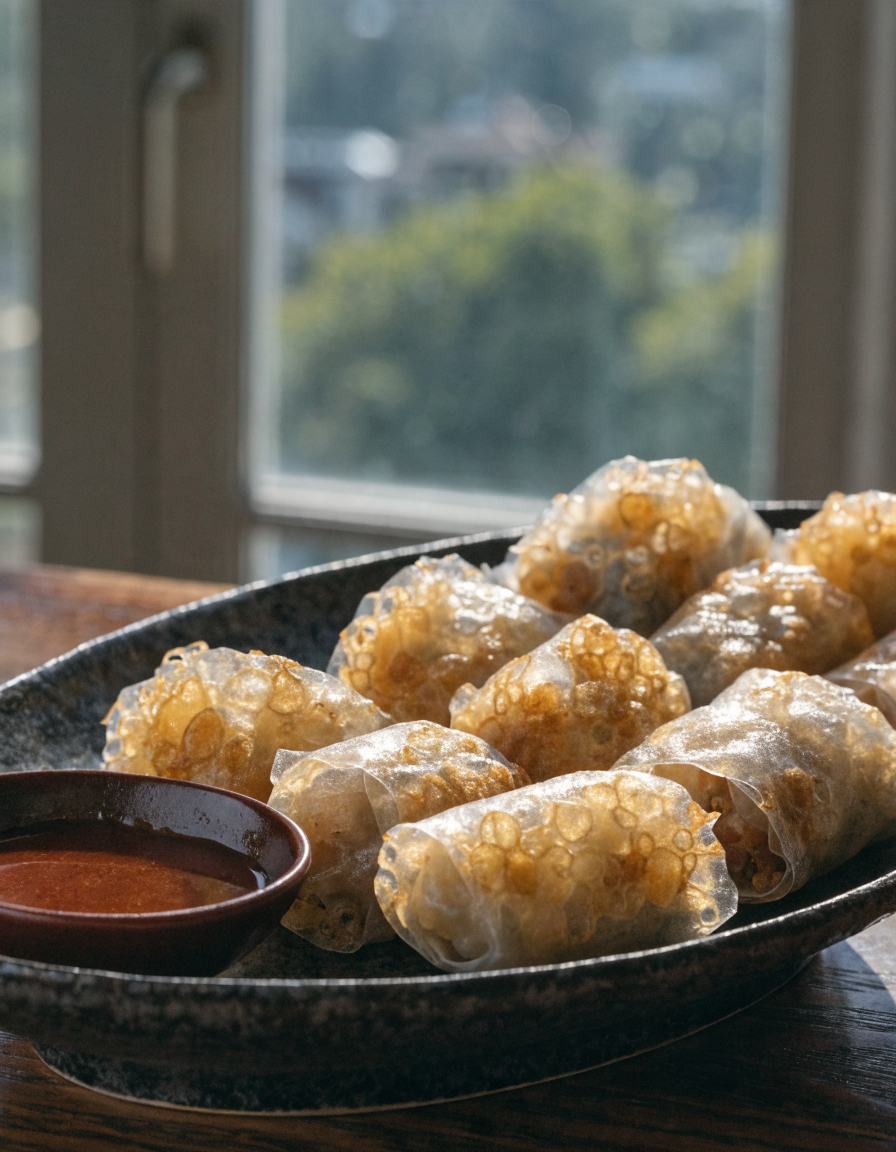
Rice paper wrappers have taken the culinary world by storm. Home cooks love using them for viral snack trends. Yet, many people ask: why are my rice paper dumplings chewy? When you bite into a dumpling, you expect a crisp exterior and a tender filling. Instead, you might encounter a tough, gummy, or overly rubbery texture. This frustrating issue stems from the unique starch composition of rice paper. Understanding the science of rice paper helps you master this ingredient.
Many factors influence the final mouthfeel of your dish. From hydration time to cooking temperature, small errors change everything. Let us dive into the science behind this problem. We will explore exactly why your wrappers turn out rubbery and how you can fix them.
Understanding the Science of Rice Paper
Rice paper is made from white rice flour, tapioca flour, water, and salt. Manufacturers steam this batter into thin sheets and dry them in the sun. Because they are dehydrated, you must rehydrate them before cooking. Tapioca starch gives the paper its stretch and flexibility. However, it also creates a sticky, gelatinous texture when exposed to moisture.
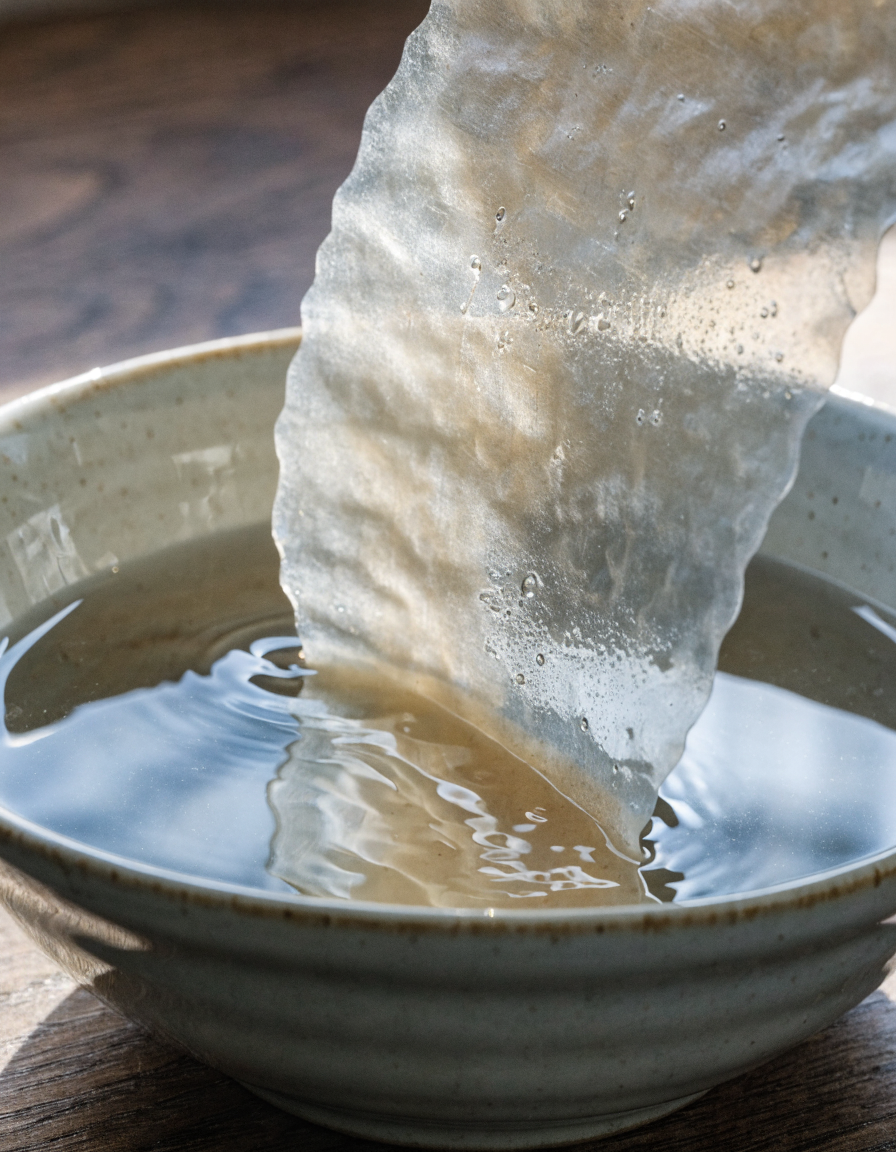
When you submerge rice paper in water, the starches begin to hydrate immediately. If you soak them too long, they absorb excess water. This surplus moisture breaks down the structural integrity of the wrapper. During the pan-frying or air-frying process, this trapped moisture turns into steam. Instead of crisping up, the starches meld into a dense, chewy paste. Getting the hydration level right is the first step toward avoiding a rubbery bite.
Why Are My Rice Paper Dumplings Chewy? Common Culprits
Several everyday mistakes cause your snacks to turn out tough. Let us examine the most frequent culprits behind this culinary dilemma.
- Over-soaking in water: Submerging the sheets until they are completely mushy guarantees a gummy texture.
- Using hot water: Hot water breaks down the starches too quickly, making the wrapper overly sticky and difficult to handle.
- Layering wrappers too thickly: Doubling up on rice paper creates a thick wall of dense starch that heat cannot penetrate properly.
- Insufficient cooking oil: Without enough fat in the pan, the wrapper adheres to the surface instead of frying into a crisp crust.
- Low cooking temperature: Cooking on medium-low heat steams the wrapper rather than searing it.
If you want to explore alternative textures and unique cooking styles, you might enjoy learning how to achieve the ultimate crunch with crispy rice paper dumplings. Proper technique makes all the difference.
How to Fix and Prevent Chewy Dumplings
Fixing this issue requires a shift in your preparation routine. First, change your dipping water. Always use room temperature or lukewarm water. Dip the sheet for just a few seconds. It should still feel slightly firm when you remove it. The wrapper will continue to soften as you add your filling and wrap the parcel.
Second, manage your wrapping technique. Use a single layer of rice paper for each dumpling. If you fear breakage, try wetting two separate sheets and layering them only if necessary, though a single sheet usually suffices. For more tips on handling this delicate ingredient, read up on how do you keep rice paper dumplings from sticking to your pan or plate.
Third, adjust your cooking fat and heat. Heat a non-stick skillet over medium-high heat with a generous tablespoon of neutral oil. Place your parcels into the hot pan with adequate space between them. For professional culinary insights on starch gelatinization and cooking temperatures, consult resources like Serious Eats.
Mastering the Pan-Frying Technique
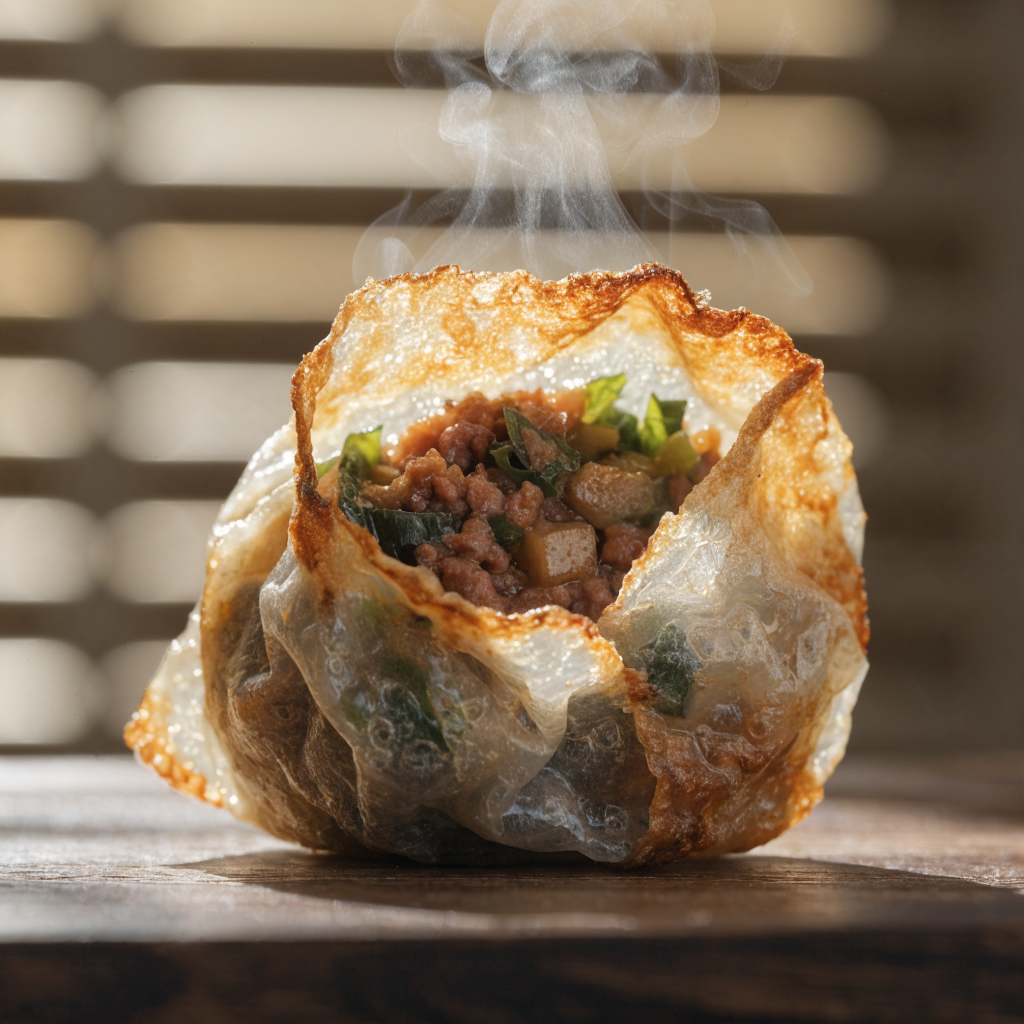
Pan-frying is the gold standard for achieving a shatteringly crisp shell. When you put your parcels into a hot skillet, the oil rapidly fries the outer layer. This process drives off surface moisture before the starches can form a gummy matrix.
Do not crowd your pan. Overcrowding lowers the pan temperature and traps steam. Trapped steam creates a wet environment. Wet rice paper equals chewy rice paper. Give each parcel room to breathe. Flip them carefully once the bottom turns golden brown. You can also experiment with different cooking formats, much like finding creative ways to cook without traditional equipment, akin to learning how can I make paella without a paella pan.
Final Thoughts
Why are my rice paper dumplings chewy no longer has to be a mystery. By controlling your water temperature, minimizing soak times, and using adequate oil on high heat, you will achieve restaurant-quality results every single time. Practice these adjustments, and your snacks will always turn out golden, light, and perfectly crisp.