📋 Quick Navigation (Table of Contents)
🥗 Recipe Ingredients
- 2 cups fresh primary ingredients (washed and sliced)
- 2 tbsp extra virgin olive oil or butter
- 3 cloves fresh garlic, finely minced
- 1 tbsp fresh lemon juice or vinegar
- 1/2 tsp sea salt and freshly cracked black pepper
- Fresh herbs for garnish (parsley, chives, or basil)
Why do you smash cucumbers in a salad?
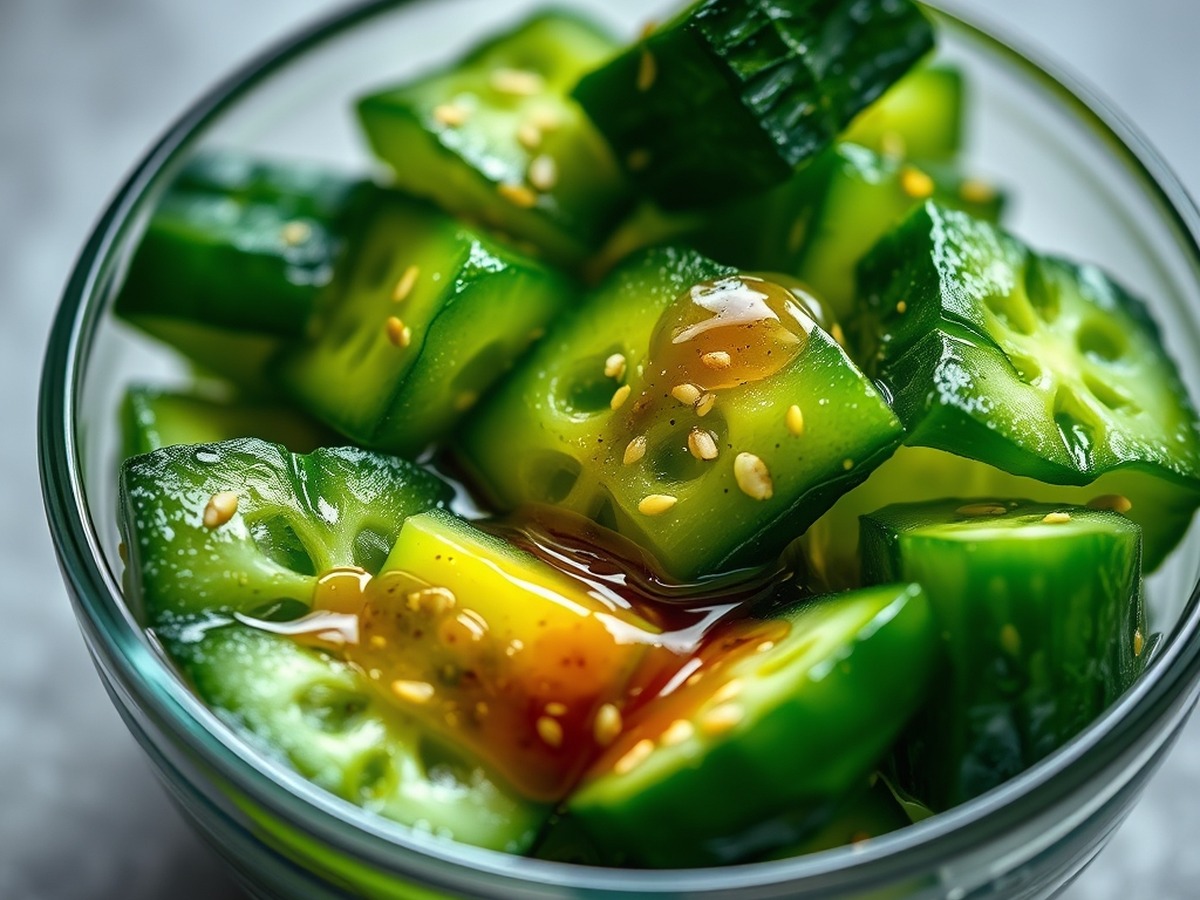
You smash cucumbers in a salad to create irregular fractures and jagged edges that maximize surface area, allowing the vegetable to absorb dressings, garlic, and oils much more deeply than clean knife cuts. This mechanical stress also breaks down internal cell walls, releasing excess water and softening the dense crunch.

When I first tried this technique in my own kitchen, I noticed an immediate difference in how the dressing clung to the vegetable. Instead of sliding off a slick, rounded slice, the bold flavors sank straight into the nooks and crannies.
The Culinary Science Behind Crushing Cucumbers
Traditional slicing leaves smooth, sealed edges. These clean cuts repel liquid. When you ask why do you smash cucumbers in a salad, the answer lies entirely in physics and cellular breakdown.
Hitting a cucumber with a heavy object fractures the internal matrix of the vegetable. According to culinary science insights from sources like Serious Eats, this process creates micro-fissures.
These jagged tears act like tiny sponges. They pull vinegar, soy sauce, and chili oil deep into the core. This pairs perfectly with our Why do you smash cucumbers in a salad? 5 reasons to try this technique.
- Increases surface area for better flavor clinging
- Ruptures cell walls to tenderize the dense flesh
- Releases bitter juices before you add dressing
- Creates varied textures ranging from crunchy to tender
How This Technique Improves Texture and Taste
Texture dictates how we experience food. Smashed cucumbers offer a superior mouthfeel compared to uniform rounds or half-moons.
Because the edges are bruised and torn, they absorb salt rapidly. This draws out unwanted moisture before serving.
You end up with a crisper, more seasoned bite. If you love bold flavor profiles, this method transforms a watery vegetable into the star of the dish.
It pairs wonderfully with vibrant flavor pairings, much like how you would balance a vibrant grinder salad dressing to elevate a dish. For more variations on this technique, check out this guide on smashing methods for summer salads.
Why do you smash cucumbers in a salad instead of slicing them?
Slicing is neat, but smashing is functional. Slices remain rigid and repel moisture. Smashed pieces catch every drop of seasoning. This pairs perfectly with our Why do you smash cucumbers in a salad? The Science Behind It.
Furthermore, removing excess water prevents your bowl from turning watery. Salting and draining smashed cucumbers ensures your dish stays crisp.
If you enjoy experimenting with contrasting textures and temperatures in your meals, you might also appreciate learning how to keep a chopped salad from getting soggy over time.
Step-by-Step Method for Smashing Cucumbers
Executing this culinary trick requires minimal equipment. You only need a sturdy cutting board and a heavy tool.
Start by washing your English or Persian cucumbers. Trim the ends off completely.
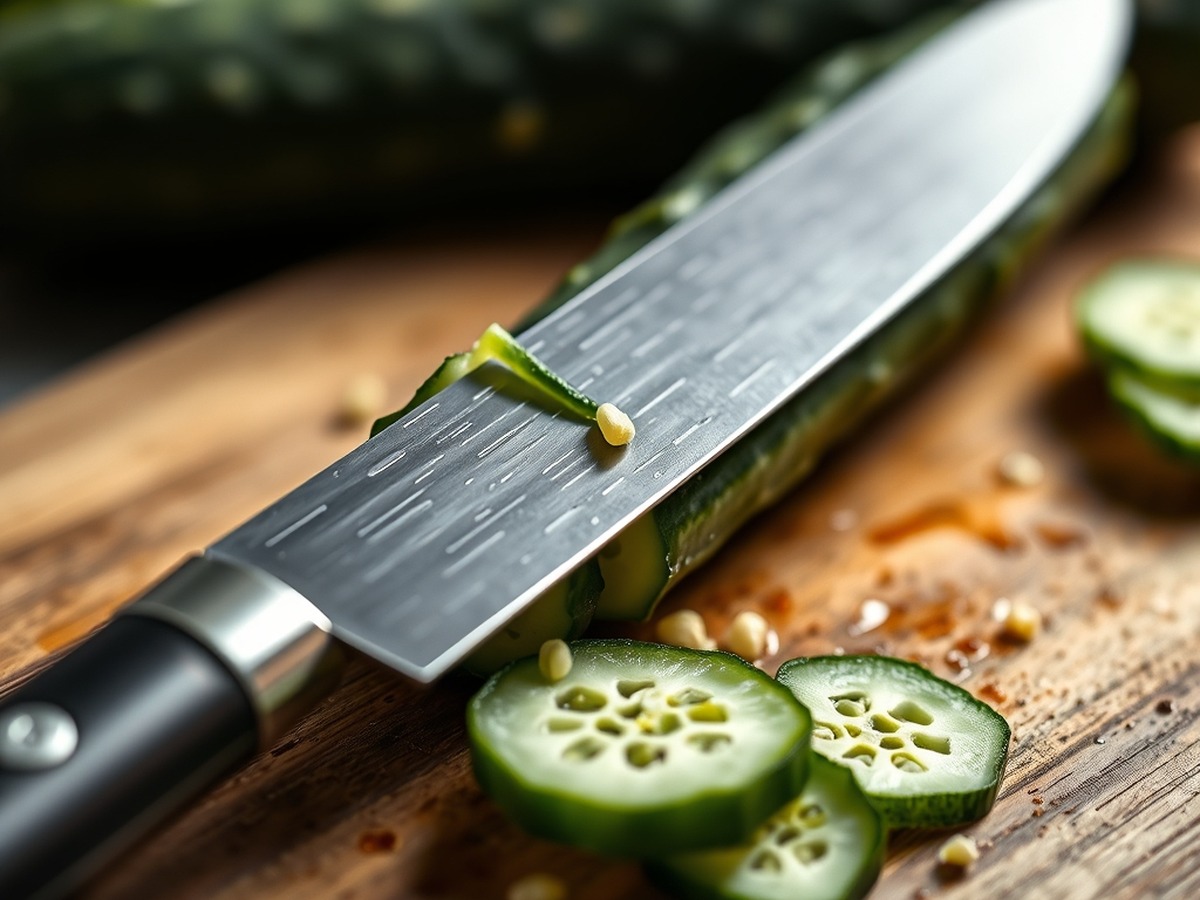
Place the cucumber on your cutting board. Lay the flat side of a chef’s knife or a heavy rolling pin over the top.
Smack the tool firmly with the heel of your hand or a mallet. You want to hear the flesh crack open without completely flattening it into mush.
Cut the battered cucumber into bite-sized chunks at an angle. Toss them with sea salt and let them drain for ten minutes. Rinse if needed, then dress immediately.
📖 You might also love these Why recipes:
🌍 Discover More From Our Network
- → A great companion recipe is our Why do you smash cucumbers in a salad? The Science Behind It
- → For another crowd-favorite, see our Why do you smash cucumbers in a salad? 5 reasons to try this technique
- → Complement this dish with our Why do you smash cucumbers in a salad? 5 Culinary Reasons