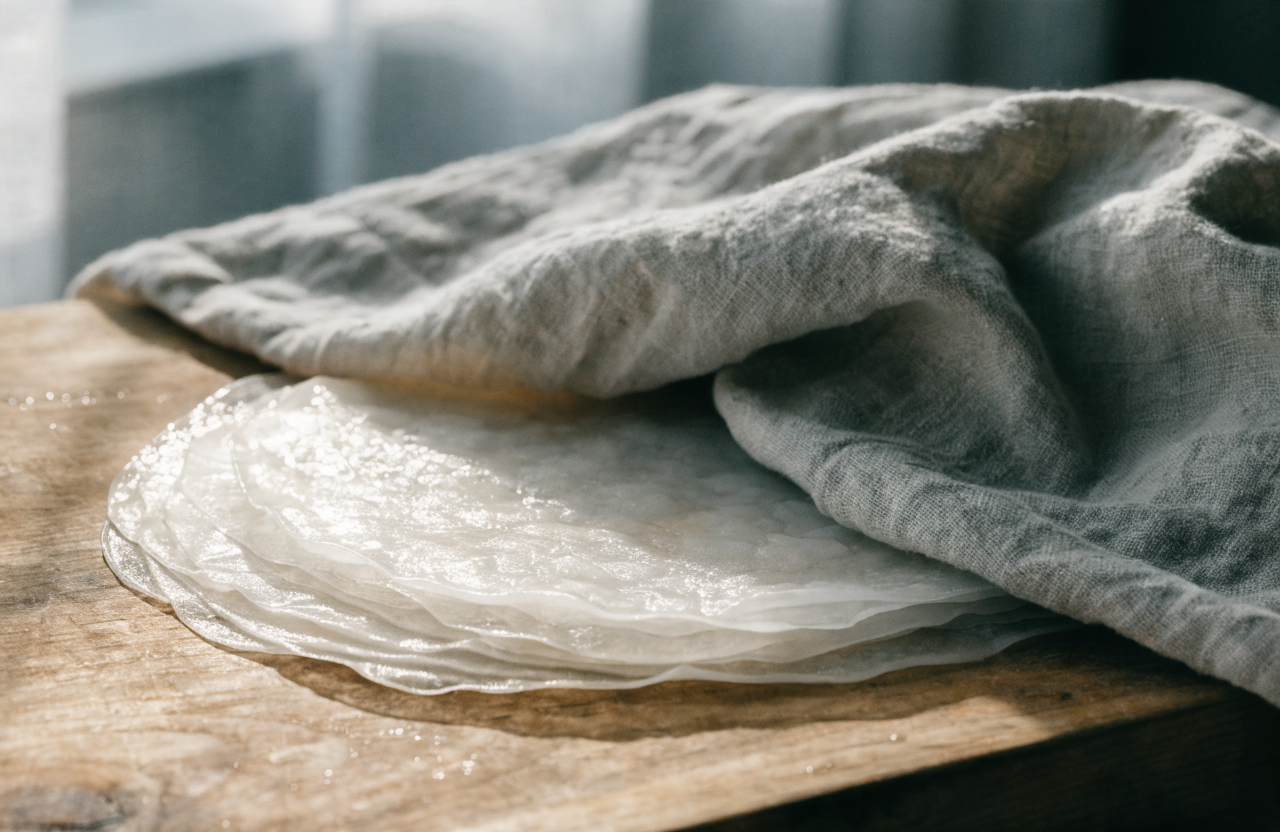
How do you keep rice paper dumplings from sticking? Quick Answer
How do you keep rice paper dumplings from sticking? You can prevent sticking by working on a damp cutting board, using parchment paper or a well-oiled skillet, and ensuring the wrappers are not overly soaked before assembly.
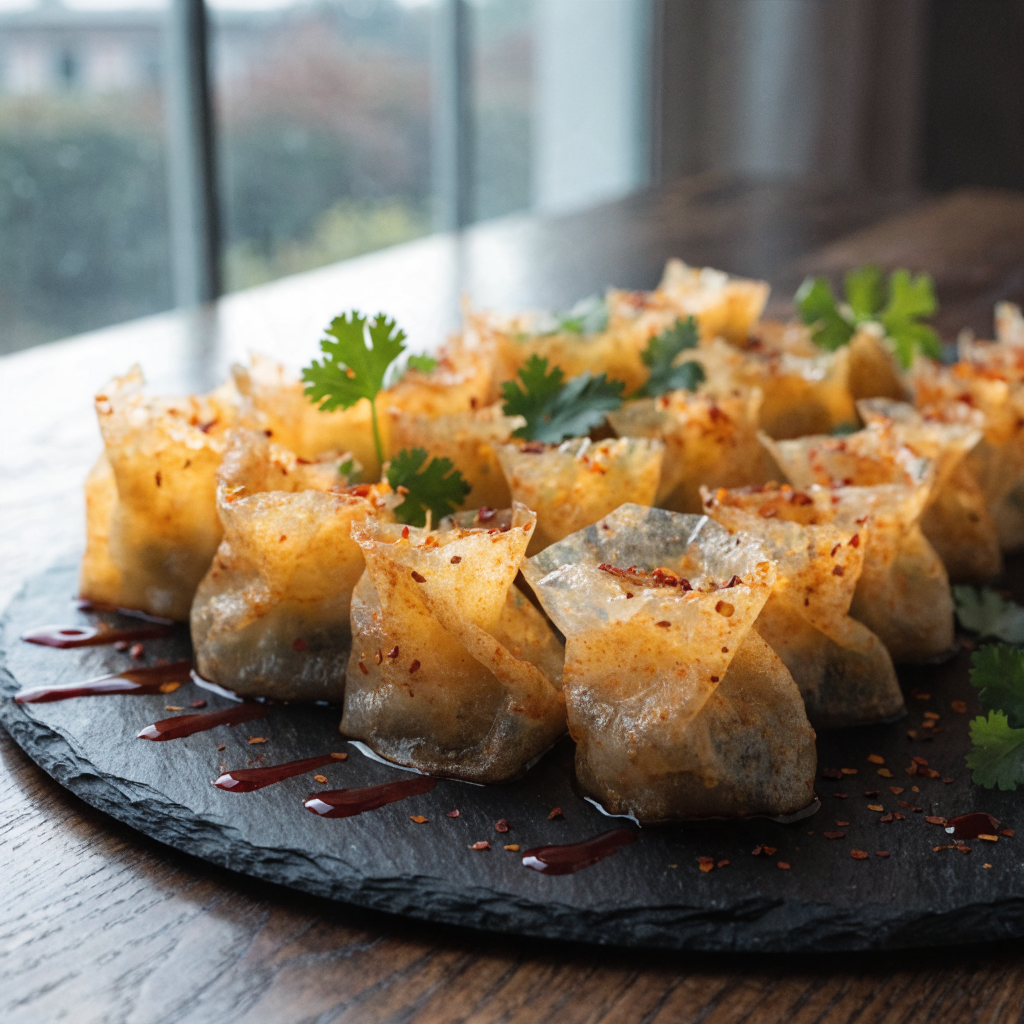
Rice paper wrappers offer a fantastic, gluten-free alternative to traditional dumpling dough. However, their unique starch composition creates frustrating challenges in the kitchen. Home cooks often ask, how do you keep rice paper dumplings from sticking? Without proper technique, these translucent wrappers transform into a frustrating, gummy mess. They bond instantly to cutting boards, tear when wrapped, and fuse together inside the pan.
Mastering this ingredient requires understanding its unique properties. Tapioca starch and white rice flour react rapidly to moisture and heat. Fortunately, professional kitchen strategies make the process foolproof. Whether you are crafting a batch of crispy rice paper dumplings or experimenting with new fusion recipes, these expert tips will guarantee success.
Understanding Rice Paper Starch and Stickiness
Rice paper wrappers consist primarily of rice flour, tapioca starch, water, and salt. When dehydrated sheets encounter warm water, the starches gelatinize almost instantly. This creates a sticky, adhesive surface that is ideal for sealing dumplings but terrible for kitchen surfaces.
If you leave a wet wrapper on a dry wooden board or a porous surface, it bonds permanently. Similarly, overcrowding a pan causes the wrappers to weld together into a single mass. Understanding this starch behavior allows you to intervene at every stage of the cooking process.
How Do You Keep Rice Paper Dumplings from Sticking During Prep?
The preparation phase determines whether your dumplings survive until cooking. Small adjustments during the hydration and wrapping stages prevent catastrophic tears and frustrating surface adhesion.
First, evaluate your hydration technique. Many people soak rice paper until it becomes completely limp and soggy. Instead, dip the wrapper into warm water for just two to three seconds. The paper should still feel slightly firm when you remove it. It will continue softening as you add your filling and fold the edges.
Next, pay attention to your work surface. Never place wet rice paper directly onto a dry wooden cutting board or paper towel. Instead, use a lightly oiled plate, a damp silicone mat, or a clean cutting board wiped with a damp paper towel. For more culinary inspiration, explore expert cooking guides provided by authoritative sources like Serious Eats.
- Dip wrappers briefly in warm water rather than hot or boiling water.
- Work on a damp cutting board or oiled plate to prevent surface bonding.
- Keep unused dry wrappers in their package away from steam and moisture.
- Avoid overfilling your dumplings, which causes stretching and tearing of the delicate starch.
Cooking Techniques to Prevent Pan Adhesion
Once your dumplings are successfully wrapped, the cooking phase introduces new sticking hazards. Whether you choose to pan-fry, steam, or air-fry your creations, specific rules apply to keep them pristine.
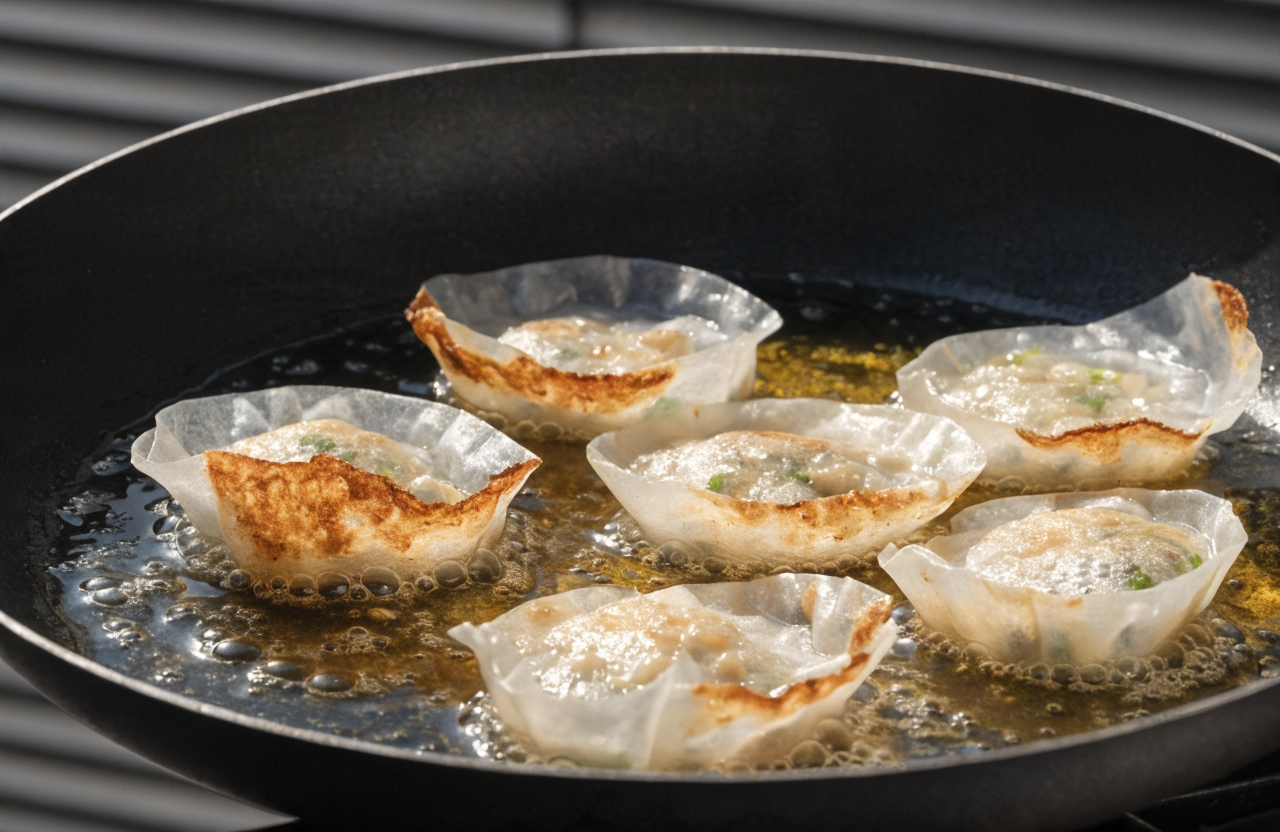
When pan-frying, a high-quality non-stick skillet is your best defense. Heat your pan over medium heat before adding a generous layer of cooking oil, such as avocado or canola oil. Place the dumplings into the hot oil with adequate spacing between each piece. If the dumplings touch while cooking, the exposed starches will fuse together instantly.
If you prefer steaming, line your bamboo steamer or metal basket with perforated parchment paper or cabbage leaves. Never place naked rice paper directly onto metal steamer grates. The starch will grip the metal bars, tearing the wrappers wide open when you attempt to remove them.
Pro Tips for Storing and Serving
Even after cooking, rice paper can become sticky as it cools down. If you are preparing a large batch for a dinner party, arrange the cooked dumplings in a single layer with space between each piece. Avoid stacking them directly on top of each other.
If you must stack them temporarily, place small squares of parchment paper between the layers. Serving them immediately while piping hot ensures the best texture and prevents them from forming a collective clump on the serving platter.
By controlling moisture levels, choosing the right work surfaces, and utilizing proper pan-frying techniques, you can enjoy perfectly crisp, beautiful dumplings every single time.